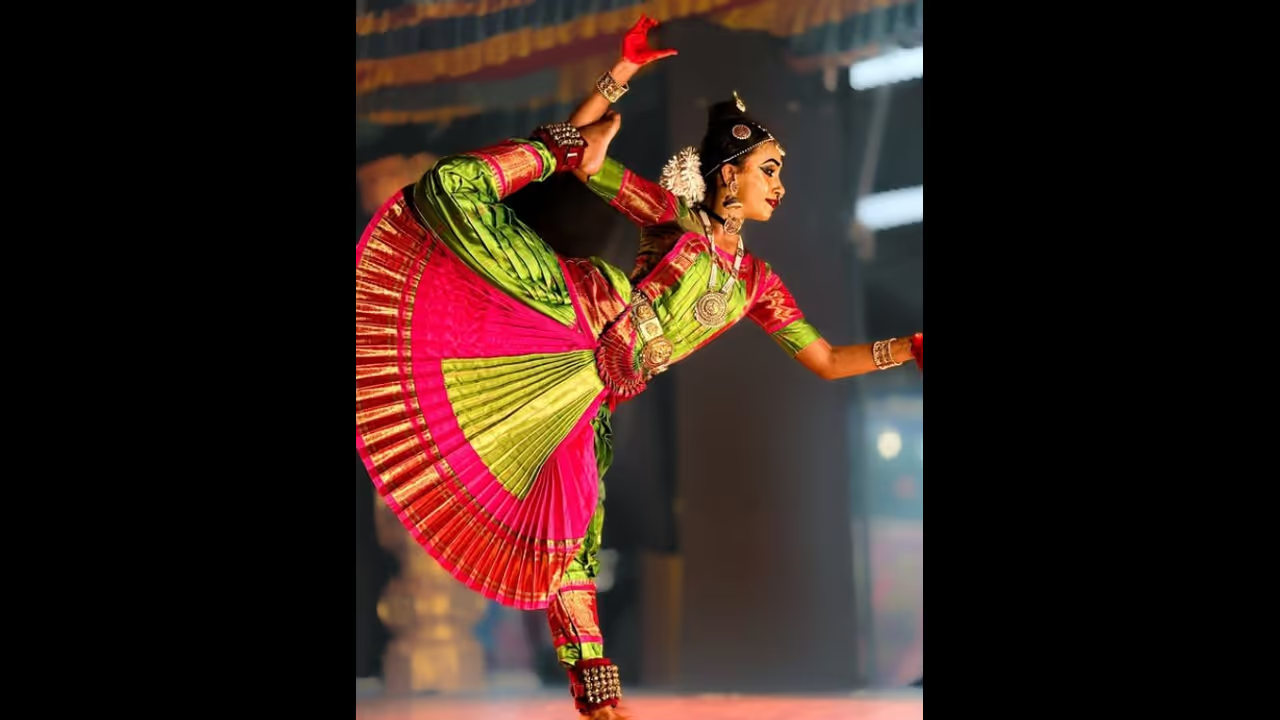
Bharatanatyam dancers across generations are making history—from record-breaking marathon performances to preserving ancient traditions. These artists are redefining classical Indian dance while keeping its cultural and spiritual essence alive.
Originating over 2,000 years ago in the temples of Tamil Nadu, Bharatanatyam is one of India’s oldest and most revered classical dance forms. Traditionally performed by temple dancers as an offering to the deities, Bharatanatyam blends intricate footwork, graceful body movements, and expressive gestures (mudras) to narrate stories from Hindu mythology.
More than just a performance art, Bharatanatyam is a spiritual discipline. Every movement, expression, and rhythm is a prayer in motion—a way to connect with the divine. Even today, its practice demands immense dedication, often beginning in childhood and requiring years of rigorous training under a guru.
In a dazzling celebration of endurance, discipline, and devotion to this ancient art form, Remona Evette Pereira, a student from Mangaluru, has created history. She performed Bharatanatyam continuously for 170 hours over seven days, setting a new world record and earning a place in the Golden Book of World Records.
Related Articles

A final-year BA student at St Aloysius (Deemed to be University), Pereira began her marathon performance at 10 am on July 21, concluding at 12 noon on July 28, at the university’s Robert Sequeira Hall. Her record broke the previous mark of 127 hours, exceeding it by a staggering 43 hours.
This remarkable feat was not just about physical stamina—it was a heartfelt tribute to Bharatanatyam itself and its profound place in Indian culture.
Honouring the Legacy of Bharatanatyam
Remona’s achievement places her alongside several pioneering figures in Bharatanatyam who have elevated the dance form on both national and global platforms.
Srekala Bharath, a celebrated Bharatanatyam exponent and guru from Chennai, had her arangetram (debut solo performance) at the age of 10. She has since guided hundreds of students through their own arangetrams, setting a record for the highest number of debut performances mentored. Her commitment to disciplined training and preserving the purity of tradition continues to shape India’s classical dance landscape.
Yamini Reddy, daughter of the iconic dance duo Raja and Radha Reddy, is known for bringing a fresh yet rooted approach to Bharatanatyam. She has orchestrated grand-scale group performances that have entered record books for their synchronized beauty—featuring hundreds of dancers moving as one. These large ensembles spotlight Bharatanatyam in a contemporary light while keeping its essence intact.
Kumari Kamalini Dutt, a pivotal figure in the 20th-century revival of Bharatanatyam, played a key role in restoring respect to the dance form during colonial rule. In one memorable initiative, she participated in a 24-hour relay Bharatanatyam performance, aimed at raising awareness about India’s rich cultural heritage. Her contribution blended performance with cultural advocacy, earning her a place as a guardian of tradition.
Each of these women has expanded the boundaries of Bharatanatyam—through record-breaking dedication, innovative formats, or cultural preservation. Their legacy continues to inspire new generations of dancers, reaffirming that classical Indian art, when nurtured with passion and purpose, remains timeless.