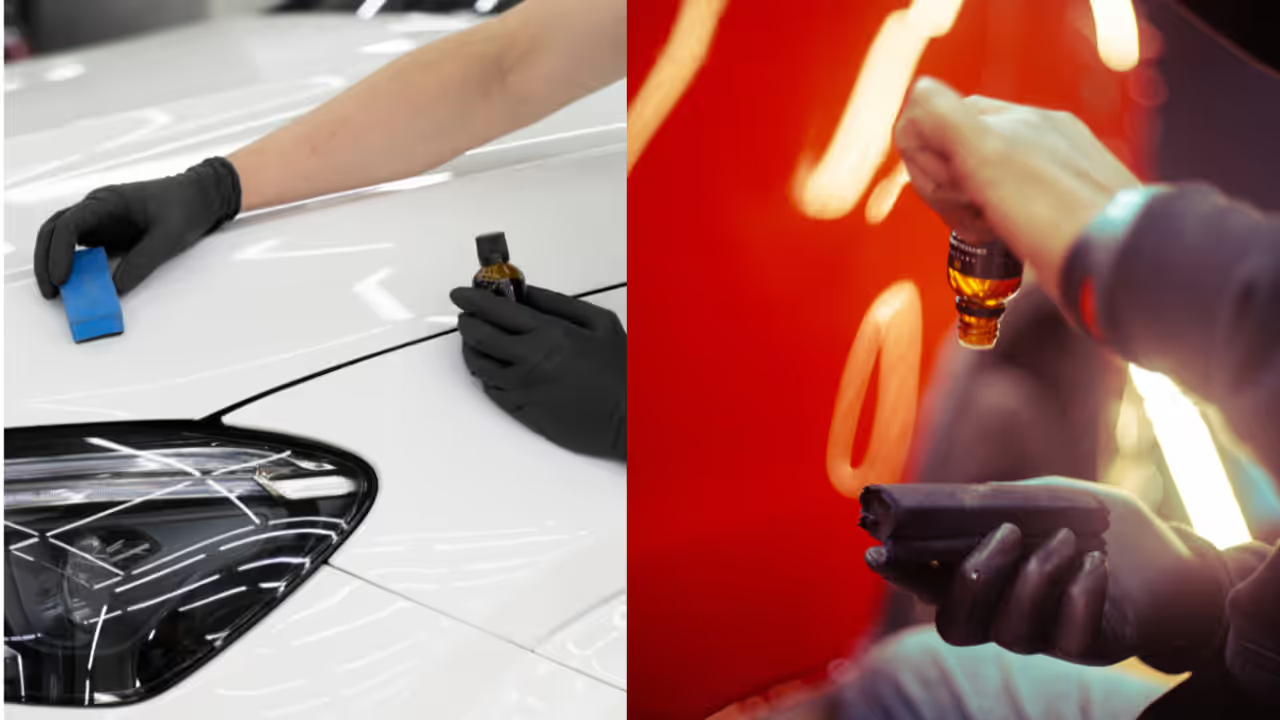
This approach, known as layered paint protection, brings together the physical protection offered by PPF and the surface-care benefits of a suitable ceramic coating.
As car owners become more conscious about maintaining their vehicles, paint protection is increasingly becoming part of the new-car ownership conversation. What was once considered an optional detailing service is now being explored by buyers who want to preserve their car's appearance and condition for longer. Two solutions that frequently come up in this discussion are Paint Protection Film (PPF) and ceramic coating. While both are designed to help protect a vehicle's exterior, they work differently and address different concerns. Increasingly, some car owners are exploring the possibility of using both rather than choosing one over the other.
This approach, known as layered paint protection, brings together the physical protection offered by PPF and the surface-care benefits of a suitable ceramic coating. PPF and ceramic coating serve different purposes Understanding why some owners are combining these solutions begins with recognising what each one does.
PPF coating refers to the application of a transparent film over a vehicle's painted surfaces. Typically made using advanced film materials such as thermoplastic polyurethane (TPU), PPF acts as a physical barrier between the paint and external elements. Depending on the film and the nature of the impact, it can help protect against stone chips, minor scratches, road debris and everyday abrasions.
Certain films also feature self-healing properties that help reduce the appearance of light surface marks. Ceramic coating, on the other hand, creates a thin protective layer over the vehicle's surface. A ceramic coating for cars is generally valued for its hydrophobic properties, which help water bead and roll off the surface, along with improved ease of cleaning and resistance to certain environmental contaminants.
The distinction is important. Ceramic coating is not designed to provide the same level of physical impact protection as PPF, while PPF does not necessarily offer all the surface-care benefits associated with ceramic coatings.
For owners looking for different forms of protection, the two solutions can therefore complement each other. Why some owners are choosing both A car's exterior faces several kinds of exposure during everyday use. Highway driving can expose the front bumper and bonnet to stone chips, while crowded city traffic and tight parking spaces increase the likelihood of minor scratches and scuffs. Sunlight, dust, bird droppings and other contaminants can also affect the vehicle's appearance over time. PPF can be particularly useful on vulnerable areas that are more likely to experience physical damage. Ceramic coating can then offer additional surface-care benefits on compatible surfaces, including easier cleaning and a finish that helps water and dirt wash away more readily.
For some owners, combining the two creates a more comprehensive approach to maintaining the exterior. However, layered protection does not necessarily mean covering every panel with both products. Some owners may choose PPF for the front bumper, bonnet, fenders and other high-impact areas, while using ceramic coating on the remaining painted surfaces.
Others may opt for more extensive PPF coverage and apply a compatible coating over the film. The right approach depends on the vehicle, driving conditions, budget and the owner's expectations. Can ceramic coating be applied over PPF? According to Mr Anckur Sama, the founder of CarzSpa Detailing Studios, the growing interest in combining protection solutions reflects a more informed approach to car care, with owners increasingly looking at the specific benefits each product brings. “PPF and ceramic coating are often discussed as separate options in car paint protection. PPF provides a physical barrier against everyday impacts and abrasions, while ceramic coating helps with surface maintenance and makes cleaning easier. When a customer wants both sets of benefits, a compatible coating applied over PPF can be a useful option.”
This is what led CarzSpa to develop a specialised ceramic coating for PPF that can be applied over the film, giving customers the option of combining the film's physical protection with the surface-care benefits, including hydrophobicity and easier maintenance. Is layered paint protection worth considering? For owners who drive frequently on highways, regularly encounter challenging road conditions or want additional protection for a new vehicle, combining PPF and ceramic coating may be worth considering.
It is, however, important to approach the decision with realistic expectations. Neither solution makes a car completely immune to damage, and ceramic coating applied over PPF does not replace the film's physical protection. Both also require appropriate maintenance to perform as intended. Budget is another consideration. Full-body PPF combined with a coating can represent a substantial investment, making it important to weigh the expected benefits against the vehicle's usage and ownership plans. For some owners, targeted PPF coverage combined with ceramic coating on suitable surfaces may offer a practical balance. Others may find that one solution, supported by good washing practices and regular maintenance, meets their needs.
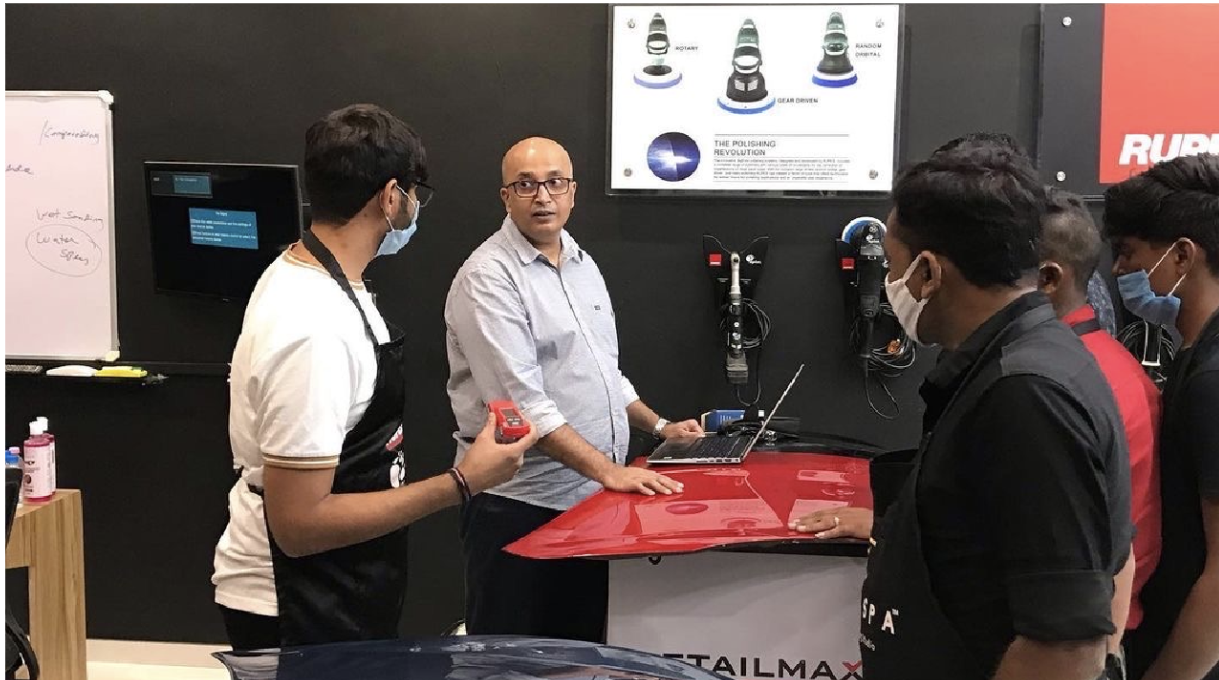
Moving towards a more considered approach to car care As awareness of detailing solutions grows, car owners are increasingly looking beyond individual products to understand how different forms of protection can work together. However, combining PPF and ceramic coating requires more than simply applying one product over another. The choice of products, their compatibility and the quality of application all play an important role in achieving the intended results. This makes it important for car owners to choose trained detailing professionals rather than unregulated workshops that may lack the expertise, appropriate products or application processes required for layered paint protection.
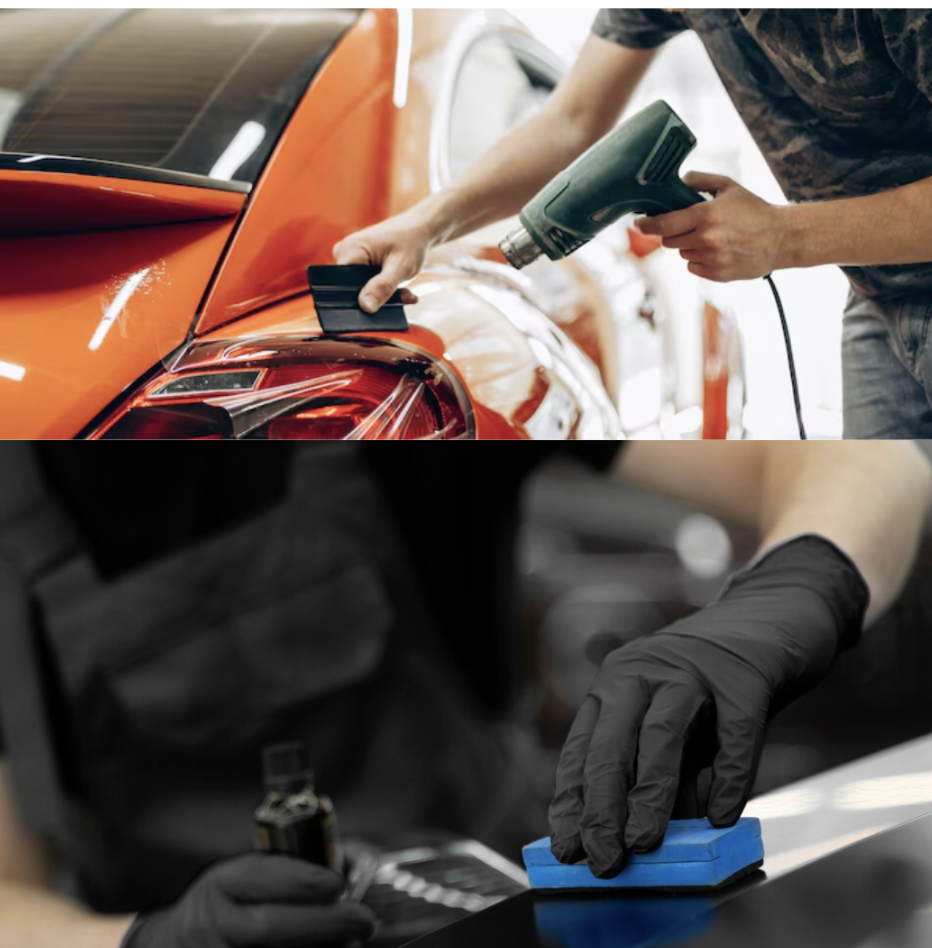
An incompatible coating or improper application can compromise the finish and performance of the protection system, making professional guidance essential. Studios like CarzSpa stand out with specialised detailing expertise and compatible coating solutions for customers looking to combine PPF with ceramic coating. Its approach helps owners understand their options and choose a protection system suited to their vehicle, driving habits and maintenance expectations. Ultimately, the choice between PPF and ceramic coating does not always have to be an either-or decision. When the right products are selected and applied by trained professionals, layered paint protection can bring together the distinct benefits of both solutions.
