For car owners evaluating the best PPF brand, it is worth looking at documented performance characteristics, warranty terms, installer expertise and the availability of after-sales support.
A long highway drive can expose a car’s paintwork to more than just dust and dirt. Small stones thrown up by vehicles ahead, loose road debris and accidental contact with rough surfaces can leave chips, scratches and visible marks. For car owners who want to preserve their vehicle’s finish, paint protection film (PPF) offers a practical layer of defence. But how much impact can it actually withstand? The answer depends on the film’s construction, thickness, material properties and quality of installation. While PPF can help reduce damage from many everyday road hazards, it is not an indestructible shield. Understanding what it can and cannot protect against helps set realistic expectations. Stone Chips
Stone chips are among the most common forms of paint damage on highways. As tyres roll over loose gravel and small stones, these particles can be thrown towards following vehicles. Even a relatively small stone travelling at speed can chip the paint, particularly on exposed areas such as the front bumper, bonnet, front fenders and outside rear-view mirrors.
PPF is engineered to absorb and distribute some of the energy from these impacts, reducing the likelihood of the underlying paint being damaged. Its flexible construction helps it withstand minor impacts that might otherwise leave visible chips on an unprotected surface. However, protection depends on several variables, including the size, shape, speed and angle of the incoming object. A film may prevent damage from a small stone but still be punctured by a larger or sharper object travelling at high speed. The impact may also leave a mark on the film itself. This is why PPF should be viewed as a way to reduce the risk of paint damage rather than a guarantee against every stone chip.
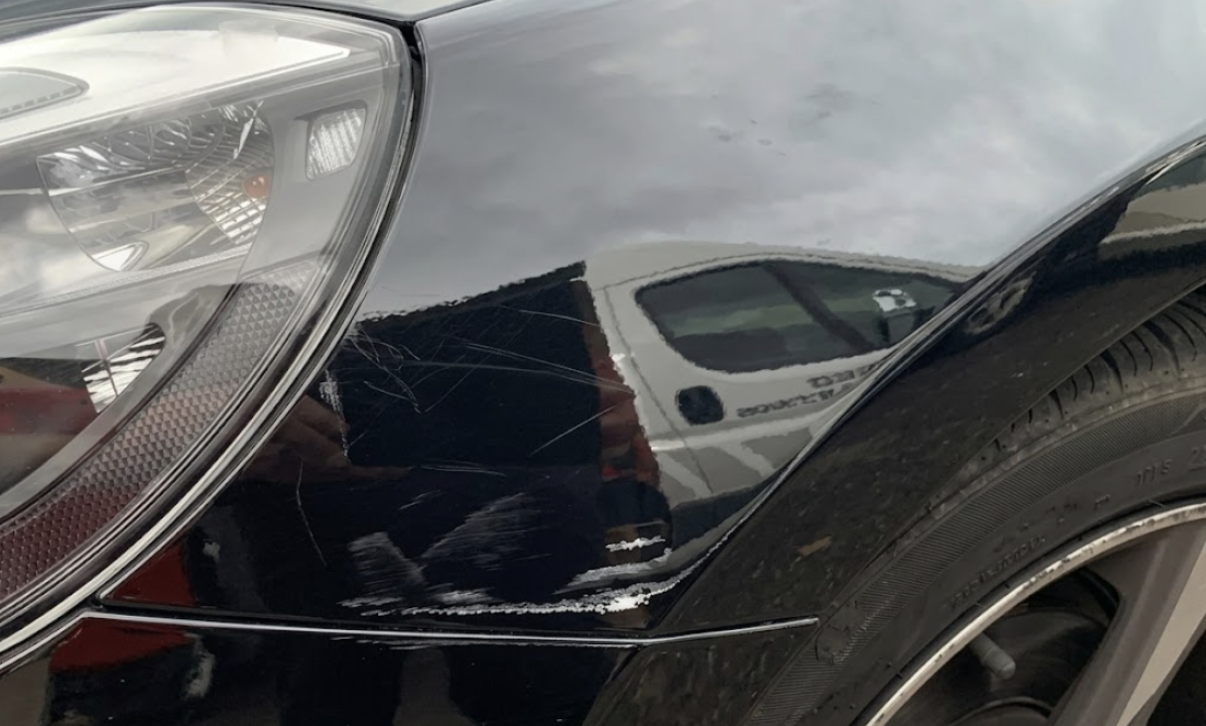
Image alt text: A close up view of a scratch on a car’s fender due to outdoor driving Scratches and Abrasions
Not all scratches are caused by stones. Everyday use can expose a vehicle to light scuffs, accidental contact with bags or clothing, brushes against branches and minor abrasions during cleaning. A well-engineered PPF creates a sacrificial layer between the external contact and the original paint. In many cases, the film takes the mark, helping the paint beneath it remain unaffected. Some films also feature self-healing properties. Their specialised surface layers can recover from certain light scratches and swirl marks when exposed to suitable heat, depending on the product and the conditions. This can help the film retain a cleaner appearance over time. Self-healing, however, has its limits. Deep cuts, punctures and severe abrasions generally cannot be expected to disappear through heat exposure.
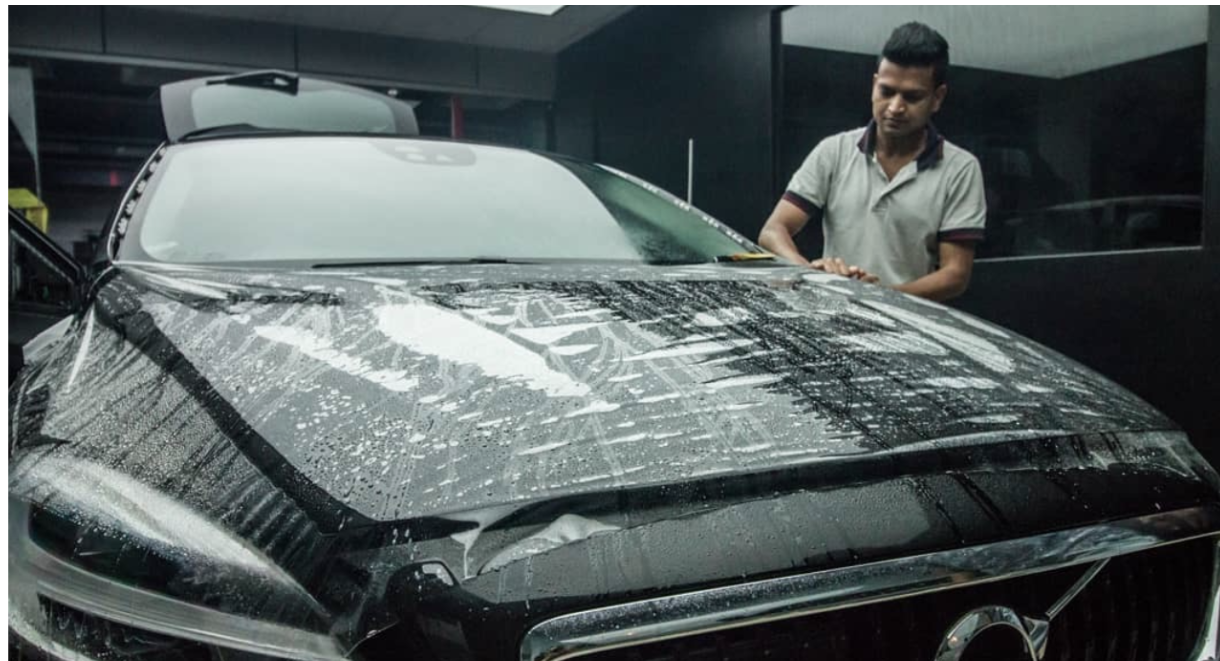
If damage penetrates the film, replacement of the affected section may be necessary. What Happens During High-Speed Highway Driving? Highway conditions present a combination of risks rather than one predictable type of impact. Vehicles encounter loose stones, road grit, debris and, in some areas, material thrown up from ongoing construction.
The risk can increase when following heavy vehicles or driving on poorly maintained roads. PPF can help reduce the effect of these everyday hazards, particularly when applied to vulnerable areas. Full-front coverage offers broader protection, while targeted installation can prioritise high-impact zones such as the bumper, bonnet, front fenders, mirror housings and headlight surrounds, where suitable films are available. The film’s condition also matters. Existing cuts, lifted edges or poorly finished sections may compromise protection and allow dirt or moisture to accumulate beneath the film. Regular inspection and appropriate maintenance can help identify issues before they worsen. Even with PPF, maintaining a sensible following distance and avoiding loose debris wherever possible remain important.
The film complements careful driving; it does not replace it. Does a Thicker Film Always Offer Better Protection? Thickness is one factor in a film’s performance, but it is not the only one. Material composition, flexibility, impact resistance, topcoat quality and adhesive performance all influence how a PPF responds to road hazards. A film that is too rigid may not perform as expected across different surfaces, while one with poor optical clarity or weak adhesion can affect the overall result. Product specifications therefore need to be considered as a whole rather than judged by thickness alone.
For car owners evaluating the best PPF brand, it is worth looking at documented performance characteristics, warranty terms, installer expertise and the availability of after-sales support. A reputable brand should provide clear information about what its film is designed to withstand, without promising complete immunity from damage.
The Realistic Value of PPF The value of PPF lies in reducing the likelihood of costly and visible paint damage during everyday ownership. It can help a car retain its original finish through many of the minor impacts and abrasions encountered on Indian roads, but no film can eliminate every risk. The right choice depends on the vehicle, driving habits, road conditions and budget. A professional installer can help determine which panels need coverage and which film is appropriate for the intended use. Ultimately, PPF works best when viewed as preventive protection, not an invincible barrier. By choosing a suitable film, ensuring professional installation and maintaining it correctly, owners can give their vehicle’s paint a better chance of withstanding the realities of highway driving.
