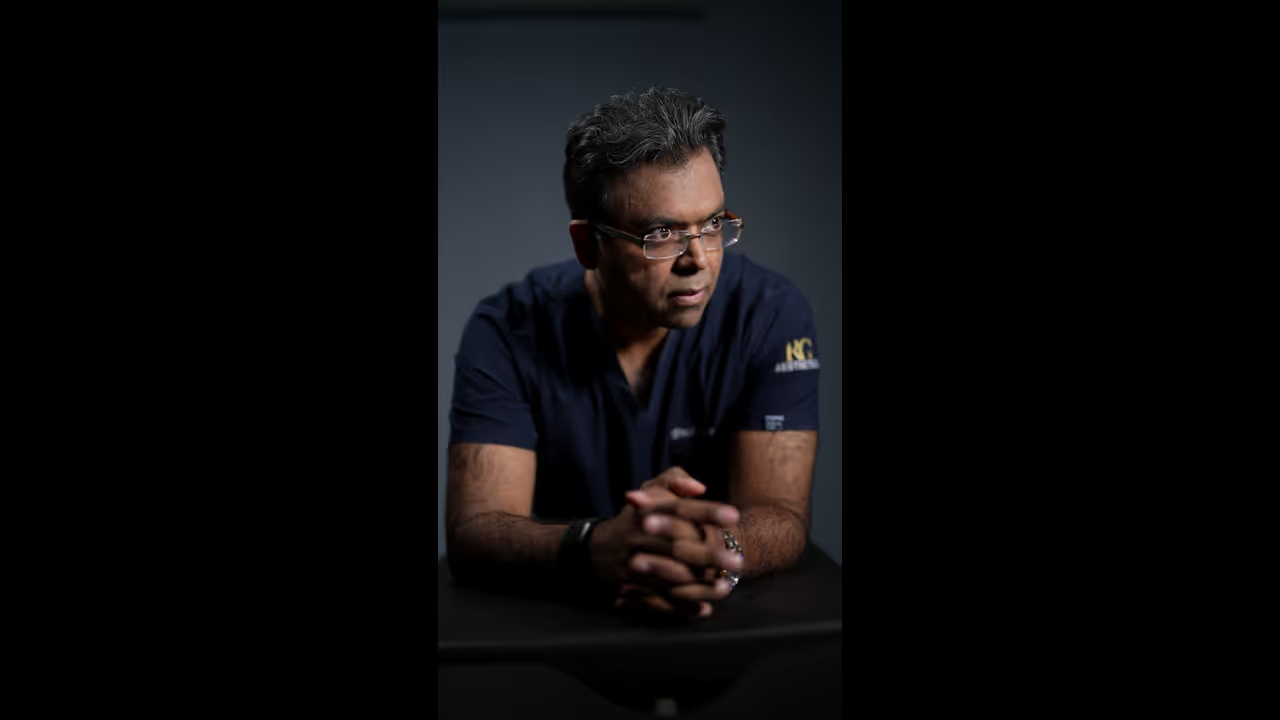
Discover the latest technologies in plastic surgery as Dr. Rajat Gupta explains their uses, potential benefits and role in modern procedures, helping readers understand evolving treatment options and patient considerations.
Choosing plastic surgery involves more than deciding which part of the body to change. Patients also want to understand how a procedure is performed, what technology is involved and whether it offers any practical benefit in their case.
At his practice in New Delhi, Dr. Rajat Gupta uses specialised equipment for surgical planning, liposuction, rhinoplasty and selected recovery needs. These technologies have different purposes. Some help surgeons assess a patient's features before surgery; others assist with specific steps during a procedure.
VECTRA for 3D Imaging
It can be difficult to picture the possible result of cosmetic surgery from a verbal explanation alone. VECTRA uses three-dimensional imaging or simulation to help patients and surgeons discuss potential changes.
Dr. Rajat Gupta can use these tools during consultations to discuss proportions and treatment goals. The images are useful for planning, but they cannot predict the final result with certainty. Healing, anatomy and the procedure itself all affect the outcome.
VASER and MicroAire for Liposuction
Liposuction technology has developed to include different methods of assisting fat removal. VASER uses ultrasound energy to help separate fat before it is removed. MicroAire uses a powered cannula to assist the surgeon during the procedure.
Dr. Rajat Gupta may select a technique according to the patient's fat distribution, skin quality and body-contouring goals. These systems can be useful in suitable cases, but neither guarantees a particular body shape. Liposuction also does not remove significant excess skin.
Patients can read more in Dr. Rajat Gupta's guide to the latest liposuction technologies.
BodyTite for Selected Body-Contouring Cases
BodyTite uses radiofrequency energy during a minimally invasive procedure to treat fat and may improve skin tightness in selected patients. Whether it is appropriate depends on the degree of skin laxity and the area being treated.
Dr. Rajat Gupta assesses these factors before recommending a treatment. When excess skin is substantial, surgical removal may be more suitable than an energy-based device.
Piezotome in Rhinoplasty
Some rhinoplasty procedures require reshaping the nasal bones. Piezotome uses ultrasonic vibrations to assist with bone work in selected cases.
The technology gives the surgeon another method for performing certain parts of nose surgery. It does not eliminate the usual risks or recovery period. Swelling, bruising and the time needed for healing vary according to the procedure and the individual patient.
Hyperbaric Oxygen Therapy for Selected Recovery Needs
Dr. Rajat Gupta's practice also lists Hyperbaric Oxygen Therapy (HBOT). During HBOT, a patient breathes oxygen inside a specially pressurised chamber.
The treatment has established medical uses for post surgical wounds and tissue injuries. In selected surgical cases, doctors may consider it when there is a specific concern about tissue healing. It is now routinely needed after every cosmetic procedure, and faster recovery can be achieved.
Which Technology Is Right for You?
The equipment used in plastic surgery should match the patient's needs. A technology that helps with one procedure may offer little benefit for another.
Dr. Rajat Gupta advises patients to ask why a particular device is being recommended, what it can realistically achieve and what alternatives are available. They should also understand the risks, costs and recovery requirements before agreeing to treatment.
New equipment gives surgeons additional options, but the choice of procedure still depends on a careful assessment and appropriate surgical judgement.
Dr. Rajat Gupta is a cosmetic and plastic surgeon based in New Delhi. For information about his practice and procedures, visit drrajatgupta.com.
