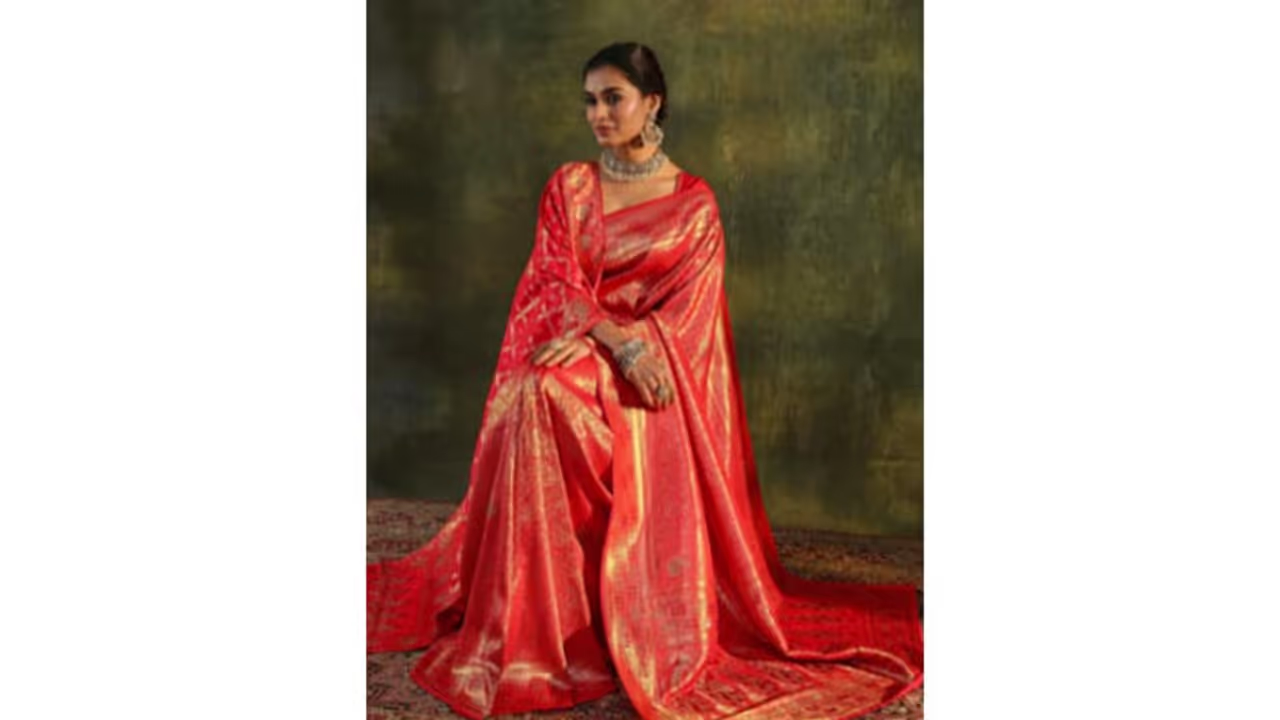
Originating from Kanchipuram in Tamil Nadu, it belongs to a rare league of silk sarees built to last generations.
If you've ever stood frozen in a store or lost a solid three hours spiraling down an online scroll, trying to choose between a Banarasi and a Kanjeevaram saree, you're not alone. Welcome to the most glamorous identity crisis in Indian fashion. Both are silk sarees of the highest order: heirloom-worthy, breathtakingly gorgeous, and powerful enough to make anyone look like royalty. But they're as different as ghazals and Carnatic music, one whispers Mughal poetry through delicate zari; the other thunders with the weight of temple gold. Choosing between them isn't just about aesthetics; it's about heritage, occasion, and the kind of story you want your saree to tell. This guide breaks down India's most iconic weave rivalry. Let's find your perfect drape.
Related Articles

Banarasi Silk Saree: Where Mughal Grandeur Meets the Loom
Born on the ghats of Varanasi, the Banarasi silk saree is essentially wearable poetry. Woven by master craftsmen whose families have guarded the tradition for centuries, it carries the soul of Mughal artistry, intricate floral jaal patterns, delicate brocade work, and real gold and silver zari threads that shimmer like a midnight sky on the saree. Banarasi silk sarees come in four distinct varieties: Pure Silk (Katan), Organza (Kora), Georgette, and Shattir. Each carries its own texture and character, but all share that signature luminescence.
Ideal for: North Indian weddings, receptions, Diwali celebrations, puja ceremonies, and any event where you want to float in effortlessly.
Draping Style: Best draped in the classic Nivi style or the Gujarati seedha pallu, the lightweight fabric holds folds beautifully, letting the zari border do all the talking at the front.
Pro tip: Real Banarasi zari doesn't tarnish. If your shimmer turns green by morning, darling, you were beautifully deceived.
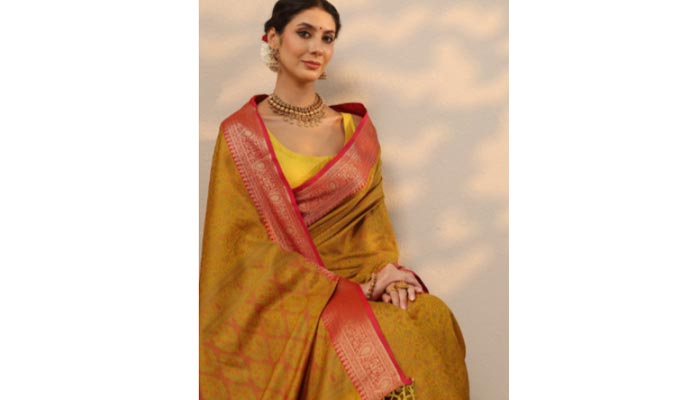
Kanjeevaram Silk Saree: South India's Most Powerful Armour
Originating from Kanchipuram in Tamil Nadu, it belongs to a rare league of silk sarees built to last generations. The silk is pure mulberry, the zari is real gold and silver, and the weave is so tight that a Kanjivaram can outlive its owner and still look immaculate. What makes it truly distinctive is the korvai technique; the border and body are woven separately and then interlocked, allowing two completely contrasting colours to coexist without losing structural integrity. Bold temple motifs, peacocks, checks, and rich jewel tones make every Kanjivaram an unmissable presence the moment you walk into a room.
Ideal for: South Indian weddings, Bharatanatyam performances, Pongal, Diwali, and any event where you intend to be the most unforgettable person in the room.
Draping Style: The Madisar or Kooraipaavadai style is its spiritual home, but the Nivi drape with a front-pleated pallu also lets the contrasting border and rich motifs take centre stage beautifully.
Pro tip: Authentic Kanjivaram sarees have a three-shuttle weave, body, border, and pallu are distinct.
Conclusion
Still torn in between! North at heart? Go for a Banarasi silk saree. Soul in the South? Go for Kanjivaram sarees. Either way, you're investing in silk sarees that outlive trends and turn heads for decades. Explore both at Libas and shop for your next favourite drape.