Healthy soil is far more than a layer of earth. It is a living ecosystem, home to billions of microorganisms that recycle nutrients, store carbon, and maintain the fertility on which agriculture depends.
Every year on December 5th, we pause to acknowledge something so ordinary that we often forget how extraordinary it truly is: the soil beneath our feet. It is one of the planet’s most vital natural resources, supporting everything from the food we grow to the ecosystems that sustain us. Yet across India, soil health continues to degrade under the pressures of climate change, salinity, pollution, rapid urbanisation, and unplanned development.
Healthy soil is far more than a layer of earth. It is a living ecosystem, home to billions of microorganisms that recycle nutrients, store carbon, and maintain the fertility on which agriculture depends. Its porous structure filters water, replenishes groundwater, and reduces the severity of floods and droughts. It anchors vegetation, stabilises coastlines, supports biodiversity, and regulates the climate. In cities, these same soil functions become even more crucial - absorbing rainwater, preventing waterlogging, cooling neighbourhoods, and supporting the green spaces that make urban life liveable.
When soil is lost or degraded, the consequences are immediate and far-reaching. Fertility declines, reducing crop yields and weakening food systems. Water-holding capacity diminishes, making land more prone to both drought and flooding. Eroded soil clogs rivers and coastal waters, damaging aquatic life and harming livelihoods. Salinity intrusion in coastal areas renders fields uncultivable.
Related Articles

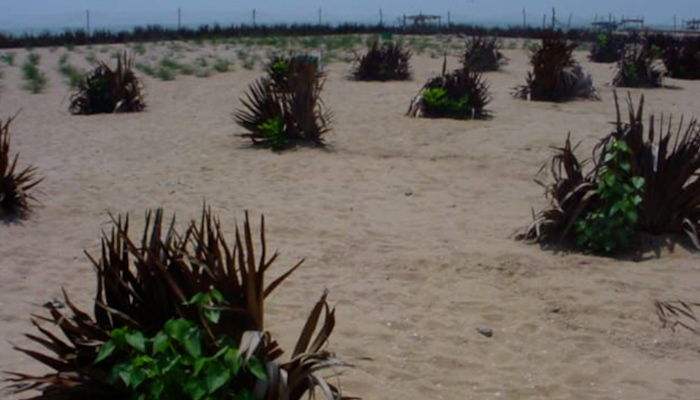
For millions of people living along India’s coastline, this is not a theoretical concern. Soil loss is a lived reality. Rising seas, stronger cyclones, and unplanned development erode beaches and sand dunes faster than nature can rebuild them. With each meter of land lost, homes, fishing grounds, and freshwater sources grow more at risk. Healthy coastal soils are not just an environmental asset - they are a protective barrier and, in many places, a last line of defense.
Nearly two decades ago, this vulnerability was brutally exposed along the villages surrounding Pulicat Lake in Tamil Nadu. The 2004 Indian Ocean tsunami tore through the region, destroying homes and reshaping entire landscapes. What remained was not just physical devastation but a stark reminder of how deeply these coastal communities depended on healthy land - and how fragile that land had become.
In the years that followed, SEEDS - a humanitarian organisation working towards disaster resilience for over three decades - worked with fishing villages to rebuild their broken relationship with the coast. In 2008, a community-led coastal bioshield initiative took root across five villages along the southern fringes of Pulicat. The idea was simple but transformative: restore the soil by restoring the vegetation that once protected it.
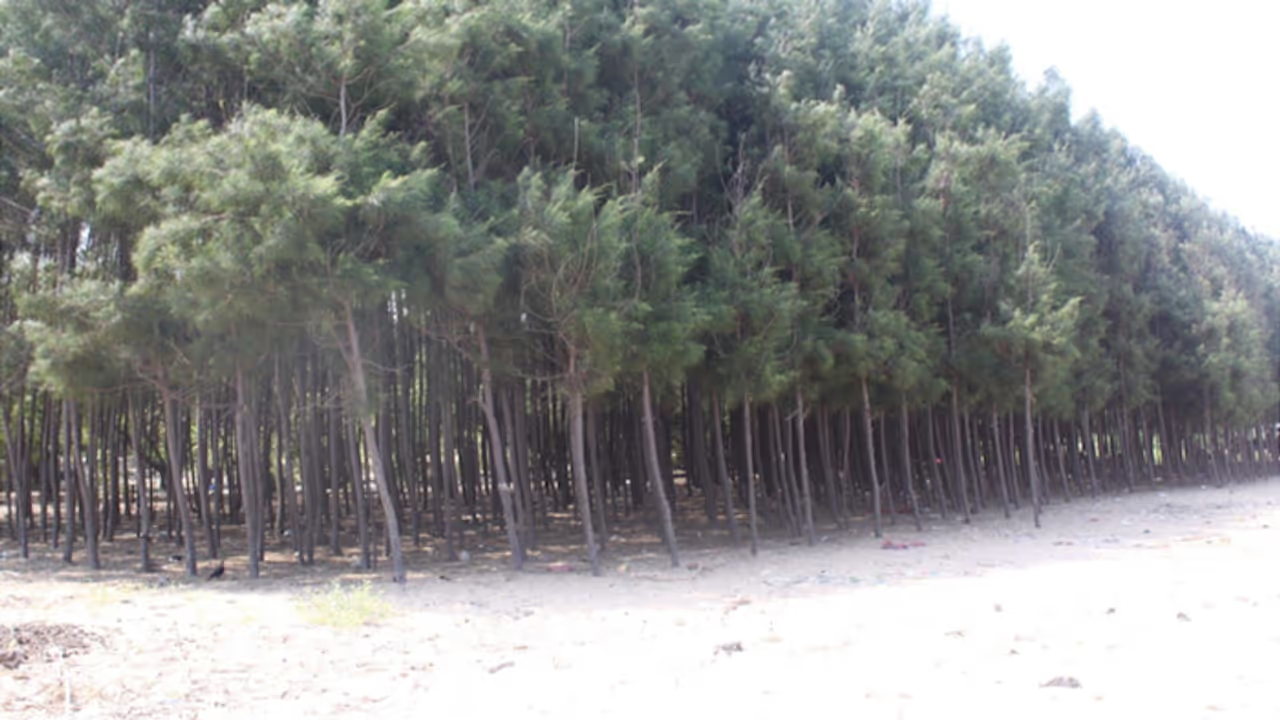
More than 9,300 hardy, salt-tolerant trees - Casuarina, Pongamia, Neem, Coconut and others - were planted across 39,000 square meters. Their roots stabilised shifting sands. Their canopy reduced wind speed. Their presence slowed erosion, filtered salt spray, improved soil moisture, and gradually revived fertility. Over time, this allowed families to grow vegetables again - even on sandbars that were once considered barren.
What began as a soil-restoration effort soon became a social transformation. Villagers took charge of planting, fencing, replanting, and monitoring the bioshields. Women, in particular, emerged as champions of cultivation and conservation. Communities that were initially hesitant eventually joined in, expanding and caring for their own shelterbelts.
Today, fifteen years later, Pulicat’s bioshields are no longer saplings - they are thriving coastal forests. They act as natural windbreaks during cyclones, reduce erosion, enhance biodiversity, and keep the soil anchored and alive. They stand as evidence that resilience does not always come from concrete or seawalls. Sometimes, it grows quietly from the ground.
Building on this success, a new coastal bioshield initiative - spanning nine villages in Chengalpattu and Cuddalore - began in 2025. Here too, communities are planting multi-species, non-mangrove shelterbelts designed to strengthen coastal soils, improve groundwater, restore biodiversity, and support livelihoods. Native trees such as Casuarina, Thespesia, Calophyllum, Pongamia, Neem, and Coconut are being used to rebuild the living, soil-based defenses that once formed the natural architecture of Tamil Nadu’s coastline.
But the story of soil does not end at the coast. As this year’s World Soil Day theme “Healthy Soil for Healthy Cities,” reminds us, cities rely just as heavily on healthy soil - often in ways we don’t immediately see. Healthy soil absorbs rainwater, helps refill aquifers, and sustains the trees and green spaces that cool our cities. It also provides stability to the land and stores carbon, offering a natural buffer against the rising stresses of a changing climate.
However, in India’s growing cities, construction waste, shrinking open areas, and disrupted drainage systems are putting increasing pressure on the land. Degraded soil worsens waterlogging, reduces groundwater recharge, increases urban heat, and weakens the soil structure beneath parks, commons, and even built infrastructure. Perhaps most critically, degraded soil weakens nature’s ability to store carbon, making communities more vulnerable to the intensifying impacts of climate change.
Keeping this in mind, seeds has also contributed to restoring soil-linked resilience in cities through the revival of key water bodies. The rejuvenation of Wazirabad Lake in Gurugram involved clearing debris, restoring the catchment, and re-establishing natural drainage pathways, allowing the lake to function again as an urban sponge.
Around Jharsa Lake, community-led efforts helped remove encroachments, rebuild soil structure, and bring back water retention in an area once reduced to a dumping ground.
Even in Hauz-i-Shamsi, Delhi, similar work to restore the heritage lake and its surroundings has helped revive the soil structure, improve infiltration, and support local green cover.
Reviving these water bodies did more than restore water - they revived the soils around them. With improved infiltration, moisture, and vegetation, these restored lakes now help stabilise surrounding land, recharge aquifers, and strengthen urban resilience.
On World Soil Day, Pulicat’s story - alongside these urban efforts - offers an important lesson: soil is not just an environmental resource; it is a foundation for resilience. When cared for, it nurtures communities, buffers disasters, and sustains livelihoods. When neglected, its loss is felt in every aspect of life - from food and water security to climate stability.