
Studies on mega-event economics repeatedly highlight a common challenge. When local supply chains are unprepared, sudden surge in demand leads to centralisation, cost inflation and the displacement of smaller vendors.
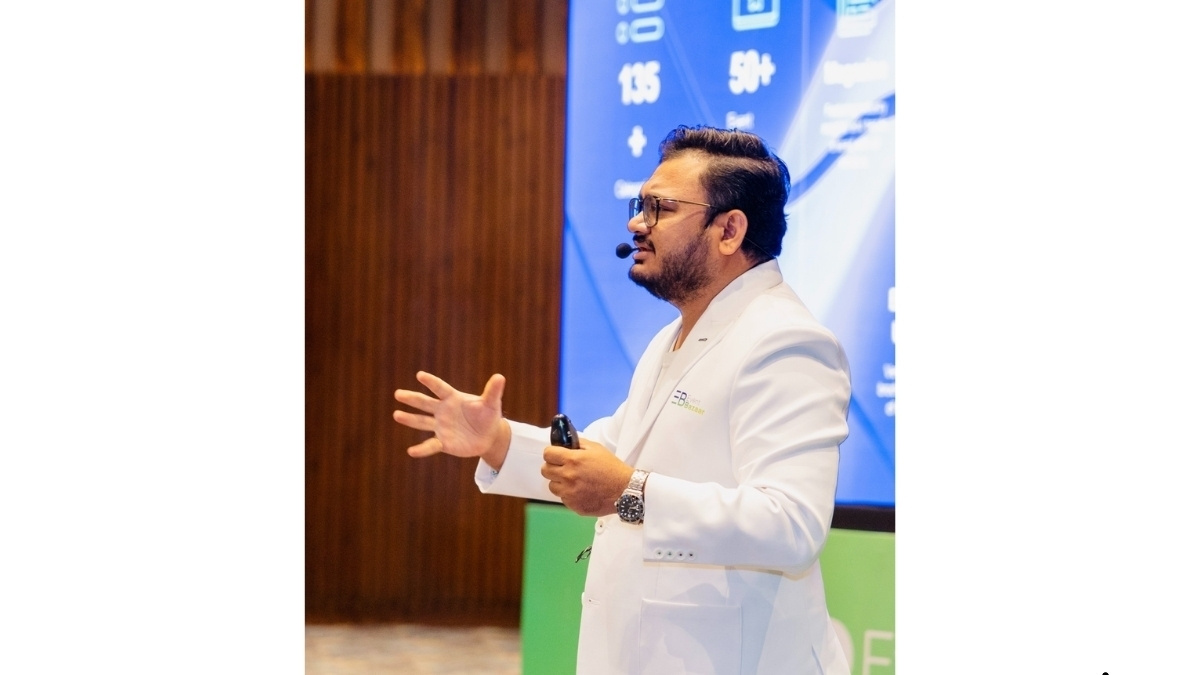
Image caption: Hirav Shah, the founder of EventBazaar.co
Ahmedabad (Gujarat) [India], March 16: Cities that host global sporting events are often assessed by the scale of their infrastructure. New stadiums, transport corridors and public spaces tend to dominate the narrative. However, international experience suggests that the true measure of success lies in what remains once the final ceremony ends.
For Ahmedabad, the host city of the 2030 Commonwealth Games, and the ambitions to host the 2036 Summer Olympics, are a defining moment. However, the conversation must move beyond physical assets alone. These events represent a pivotal moment for the city’s local event and services ecosystem, which will be required to operate at an unprecedented scale.
Related Articles

Studies on mega-event economics repeatedly highlight a common challenge. When local supply chains are unprepared, sudden surge in demand leads to centralisation, cost inflation and the displacement of smaller vendors. Large external operators move in, local players struggle to compete, and informal systems collapse under pressure. Without early planning, the economic benefits of hosting such events risk bypassing the very people meant to gain from them.
Mega events place intense and simultaneous demand across multiple sectors, including event fabrication, logistics, equipment rentals, manpower, security, hospitality and technology. When sourcing and procurement systems are fragmented, coordination gives way to confusion. International examples offer lessons. Ahead of the Tokyo Olympics, organisers invested years in building structured vendor databases, verification mechanisms and training programmes. Local suppliers were integrated into the supply chain well in advance, improving readiness and visibility. The result was smoother execution and long-term capacity building.
For Ahmedabad, preparedness must extend beyond venues and transport networks. It requires the creation of transparent platforms, clear procurement frameworks and policies that allow local enterprises to meet global benchmarks. Organised access to opportunities will be critical if local talent is to participate meaningfully rather than be sidelined.
Mega events magnify both strengths and weaknesses. They can expose inefficiencies just as easily as they can highlight capability. The difference lies in whether planning focuses only on delivery or also on legacy. A prepared ecosystem can support skills development, formalisation of services and sustained growth long after the event concludes.
Ahmedabad stands at an inflection point. Hosting a global sporting event is not just a logistical challenge, but a systems challenge. What the city chooses to build now will determine whether these events leave behind temporary spectacle or lasting value.