High estrogen keeps hair in the growth phase longer, which is why many women notice fuller hair during those months.
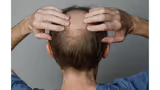
Many women experience noticeable hair fall a few months after delivery. Thick pregnancy hair suddenly starts shedding in clumps. It can feel alarming, especially when you’re already adjusting to sleepless nights and new responsibilities.
Post-partum hair loss is common. But understanding why it happens and how to support recovery holistically can make the process less stressful.
Why Post-Partum Hair Loss Happens
Related Articles

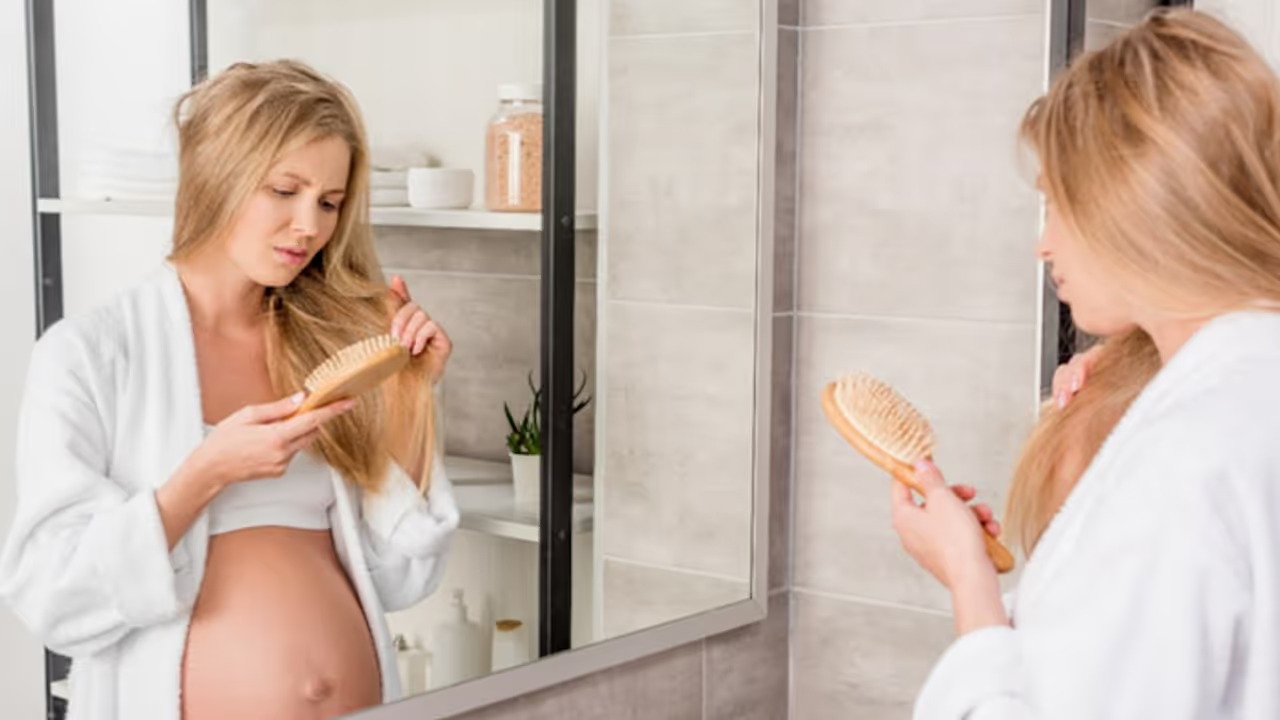
During pregnancy, estrogen levels rise significantly. High estrogen keeps hair in the growth phase longer, which is why many women notice fuller hair during those months.
After delivery, estrogen levels drop rapidly. This hormonal shift pushes many hair follicles into the shedding phase at once. The result is increased hair fall, typically starting around 2–4 months post-delivery.
This is usually a form of telogen effluvium - temporary, but noticeable.
Is It Always “Just Hormones”?
Hormones are the primary trigger, but other factors can worsen shedding:
- Iron deficiency after delivery
- Sleep deprivation
- Physical recovery stress
- Nutrient depletion
- Thyroid imbalance (which can occur post-partum)
- Emotional stress
If shedding feels excessive or continues beyond 6–9 months, deeper evaluation may be needed.
A Holistic Approach to Recovery
Post-partum recovery isn’t about forcing hair regrowth. It’s about rebuilding strength internally.
Here are the key pillars.
1. Rebuild Iron and Nutrient Levels
Iron deficiency is common after childbirth. Low ferritin can prolong shedding.
Consider checking:
- Serum ferritin
- Vitamin D
- B12
- Thyroid levels
Protein intake is equally important. New mothers often skip meals or eat irregularly. Hair needs steady nourishment to re-enter the growth phase.
Include:
- Lentils, eggs, paneer, or lean meats
- Leafy greens
- Nuts and seeds
- Healthy fats
2. Support Hormonal Stabilization
The body takes time to rebalance estrogen and progesterone after delivery. Avoid extreme dieting during this phase.
Focus on:
- Regular meals
- Stable blood sugar
- Adequate sleep whenever possible
- Gentle physical movement
Crash dieting can worsen post-partum shedding.
3. Prioritize Sleep (As Much As Possible)
Sleep deprivation increases cortisol, which can extend the shedding phase.
While uninterrupted sleep may not be realistic with a newborn, even small improvements help:
- Short naps when possible
- Limiting late-night screen exposure
- Sharing night duties if support is available
Stress regulation directly impacts hair recovery.
4. Gentle Scalp Care
Post-partum hair is often fragile. Avoid:
- Tight hairstyles
- Excessive heat styling
- Aggressive brushing
Gentle oil massage can help reduce dryness and improve circulation, but it should not be overdone.
5. Manage Emotional Stress
The post-partum phase can be emotionally overwhelming. Anxiety and mood fluctuations can amplify stress-related shedding.
Breathing exercises, short walks, and small daily routines help regulate the nervous system.
When to Seek Further Help
If hair fall is:
- Severe beyond 9–12 months
- Accompanied by weight changes or extreme fatigue
- Linked with irregular periods
- Concentrated along the hairline
A thyroid or hormonal evaluation may be necessary.
A Structured Root-Cause Approach
While post-partum hair loss is usually temporary, identifying contributing factors speeds recovery. Traya’s root-cause model looks at iron levels, thyroid function, stress, digestion, and scalp health together. This layered approach prevents prolonged shedding by addressing internal imbalances early.
Post-partum hair loss is common and often reversible. Your body has gone through a major transformation. Recovery takes time.
Instead of reacting with panic or aggressive treatments, focus on rebuilding nutrition, stabilizing hormones, and managing stress gently. Hair regrowth usually follows internal balance.