
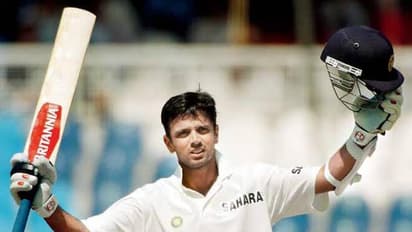
A selfless player, he also served as captain and wicketkeeper when needed. Post-retirement, Dravid continues to shape Indian cricket as a mentor and the national team’s head coach. Admired for his humility and sportsmanship, he remains a global inspiration.
1. Early talent in Hockey:
Rahul Dravid was a skilled hockey player during his school days and even represented Karnataka at the junior level before focusing on cricket.
2. First Indian to score a century in all test-playing Nations:
Dravid was the first Indian cricketer to score a Test century in all 10 Test-playing nations, a rare feat showcasing his adaptability.
3. Nicknamed "Jam":
While most people know him as "The Wall," Dravid’s teammates affectionately nicknamed him "Jam" because his father worked at Kissan, a company famous for its jams and preserves.
4. A Postgraduate Aspirant:
Dravid was academically inclined and planned to pursue an MBA before his cricket career took off.
5. One of the first Indian players in Scottish cricket:
In 2003, Dravid played for Scotland’s Saltires team in the National League, becoming one of the first Indian cricketers to play in Scotland.
6. Debut as a substitute fielder:
Dravid made his international debut as a substitute fielder during a one-day international match against Pakistan in 1996 before his official debut in whites later that year.
7. Involved in one of Cricket’s longest partnerships:
Dravid, along with VVS Laxman, scripted a legendary 376-run partnership against Australia in the 2001 Kolkata Test, one of the greatest turnarounds in cricket history.
8. First Indian to face 30,000+ balls in tests:
Known for his patience, Dravid faced over 31,000 deliveries in his Test career—the most by any batsman in the format.
9. A children’s book was written about him:
A children’s book titled "Rahul Dravid: Timeless Steel" was published in his honour, showcasing his journey and values.
10. A rare wicket-keeper: While primarily a batsman, Dravid donned the wicket-keeping gloves for India during the early 2000s, especially in ODIs, to provide flexibility to the team's lineup.