
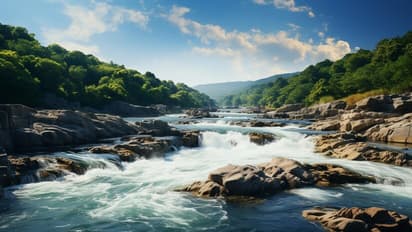
India, with its diverse landscapes, is home to some of the longest rivers. These rivers hold immense historical and cultural significance. They play a crucial role in sustaining livelihoods, fostering agriculture, and nurturing civilizations. Over 200 rivers flow through the vast expanse of India. Most of the Indian rivers originate from the Aravalli, Karakoram, and Himalayan ranges. With agriculture considered the backbone of India, rivers become the lifeline of the irrigation systems.
Check the stories that make everyday living exciting and inspiring. From easy food ideas and healthy habits to fashion trends, beauty tips, travel guides, and more — our lifestyle section brings you everything that helps you live better. Explore the latest trends, smart tips, culture, and real-life experiences that add style, comfort, and joy to your daily life. At MyNation, we bring together food, health, fashion, wellness, and modern living to help you stay informed, inspired, and ahead of the curve.