
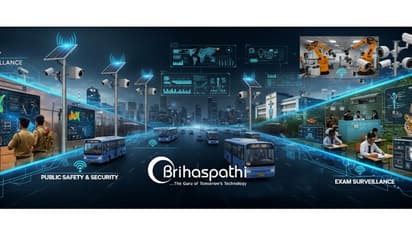
Hyderabad-based Brihaspathi Technologies Limited (BTL) is quietly powering India’s AI-driven security and automation shift. From election webcasting to Aadhaar-linked attendance and AI traffic pilots, BTL blends hardware, software, and on-ground execution—showing how computer vision moves from lab demos to high-stakes, real-world deployments that shape daily life across India.
Why This Story Matters?
If you live in India, there’s a decent chance your day brushes up against Brihaspathi Technologies Limited. The Hyderabad company sits at the busy intersection of AI, cameras, connectivity, and public infrastructure. From webcasting elections to building city traffic pilots and rolling out Aadhaar-linked attendance, BTL is part of a shift where computer vision and automation move from lab demos to messy, high-stakes streets.
What BTL Actually Does?
Founded in 2006 and headquartered in Hyderabad, BTL builds and integrates security tech across sectors: AI CCTV, election webcasting, command centres, biometric attendance, smart buses and police vehicles, VMS software, networking gear, and solar-powered “smart poles.” The company also develops enterprise software (ERP/CRM), communications platforms for SMS/WhatsApp/IVR, and IT and telecom rollouts. It positions itself as a one-stop shop that can supply cameras and servers, write the software, wire the network, and run the project.
A big part of that stack is hardware the company markets under its own brands. TrinAI is the camera line tied to AI video analytics, sold as a BTL unit with its own site and positioning. The company materials also highlight laptops and all-in-ones via ANWI, plus networking racks under the Technorack banner.
On the software side, BTL promotes a VMS that handles video ingest, search, and secure sharing, along with analytics such as people and vehicle detection, face recognition, ANPR, intrusion alerts, fall detection, and space monitoring. The same catalogue lists ERP and communications tools for sales, service, marketing, and alerts at scale.
What It has Shipped So Far?
The companies past few years read like a map of where India is adding machine vision.
The company’s own brochure adds colour on scale claims across elections, education exams, and banking, and lists sector clients ranging from the Election Commission and BSF to IOCL, DRDO labs, hospitals, and universities.
The Tech Throughline: Computer Vision that Earns its Keep
“AI CCTV” can sound like buzz. BTL’s projects show where it becomes practical:
Numbers, with Context:
Company literature puts the camera tally in the “millions” and maps a footprint across banks, campuses, plants, and government sites.
Independent press coverage this summer cited 12 lakh deployed cameras and highlighted wins like the MSRTC network. Different counts pop up because vendors measure deployments in various ways: total cameras shipped, unique sites commissioned, or cameras observed in a single campaign such as exams or polling. The useful takeaway is less the exact number and more the repeatability of large rollouts across states and sectors.
Why it Matters for India’s AI Story?
BTL is part of a cohort of Indian firms that don’t just write code; they own last-mile delivery. That matters for AI because video analytics is only as good as the camera angles, uptime, backhaul, and operator workflows that sit around the model. The company’s blend of in-house hardware (TrinAI), software (VMS and ERP), and field teams lets it take responsibility for outcomes in places where off-the-shelf gear falls short.
There’s also a Make-in-India angle. Building cameras, racks, and end-to-end systems locally can shorten lead times and keep sensitive data within Indian infrastructure. The push into a Hyderabad plant and the funding to scale manufacturing suggest that’s the direction of travel.
If you’re tracking Indian AI, keep the name BTL in your notes. The company has shown it can wire up complex, real-world deployments where the stakes are high and the feedback is instant. That’s where useful AI earns trust.